







Search Results for: dark roast blend
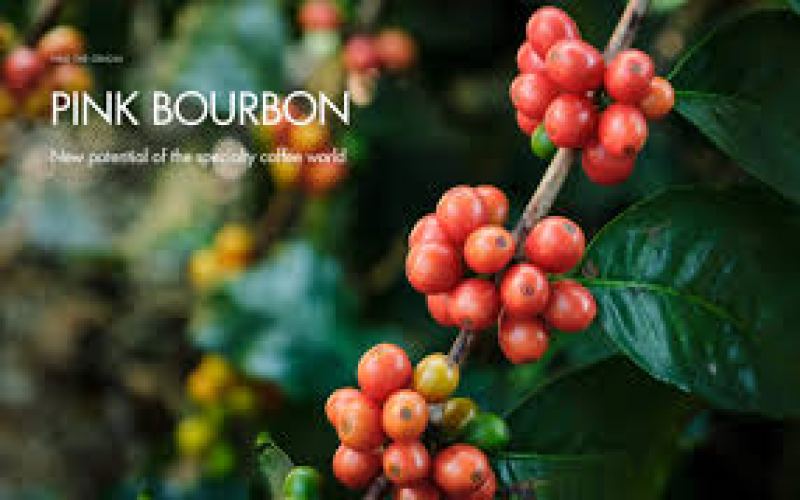
From Light to Dark Roast: What's the Difference Between Blends and SOE?
There is no fixed answer as to whether blended beans or SOE taste better; what truly creates the gap is often the roast level. Blended beans can be light-roasted, medium-roasted, or dark-roasted, and the same goes for SOE; the former emphasizes the harmony of multiple beans, while the latter highlights the character of a single origin or lot. Look at the roast direction first, then decide what you want. [more…]

How to Choose Between Espresso Blends and SOE: Judging Flavor and Brewing Method by Roast Level
When comparing espresso blends and SOEs side by side, you can't just look at the labels "blend" or "single origin"—the roast level often determines the character of the cup more quickly. Also used for espresso machines, a light roast tends toward bright fruit acidity, a medium roast emphasizes sweetness and balance, and a dark roast brings cocoa, nuts, and a fuller mouthfeel. [more…]
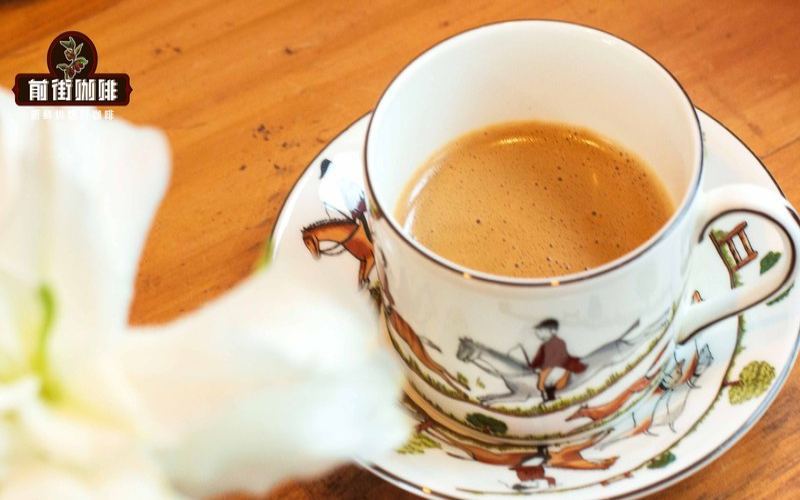
Single-Origin, Pour-Over, or Blend: How to Choose—Understanding Coffee Flavor from Light to Dark Roast
Whether to buy single-origin or blended coffee beans, and whether they suit pour-over or espresso, can often first be judged by the roast level. Light roasts retain more distinct origin character, often with floral notes, fruity acidity, and a bright, clean mouthfeel; medium roasts strike a more balanced profile of sweetness, aroma, and body; dark roasts lean more toward cocoa, nut, and roasted flavors. There is no fixed answer—what matters [more…]
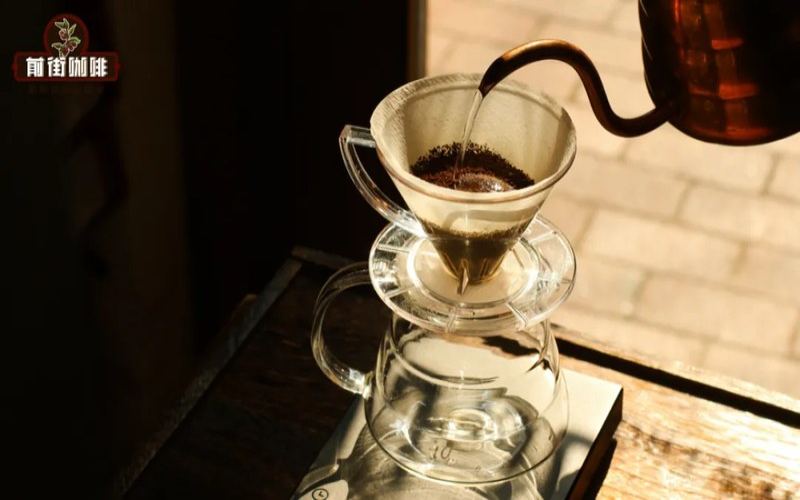
Choosing Blend Coffee Beans by Roast Level: From Bright Fruit to Rich Cocoa
The charm of blended coffee beans lies in the fact that different origin beans, when combined, can form a more complete and stable flavor. When selecting, you can first look at the roast level: light roasts tend toward bright aromas, medium roasts balance sweetness and smoothness, while dark roasts emphasize cocoa, nutty, and roasted notes. By comparing these against your own drinking habits, choosing beans becomes much easier. [more…]
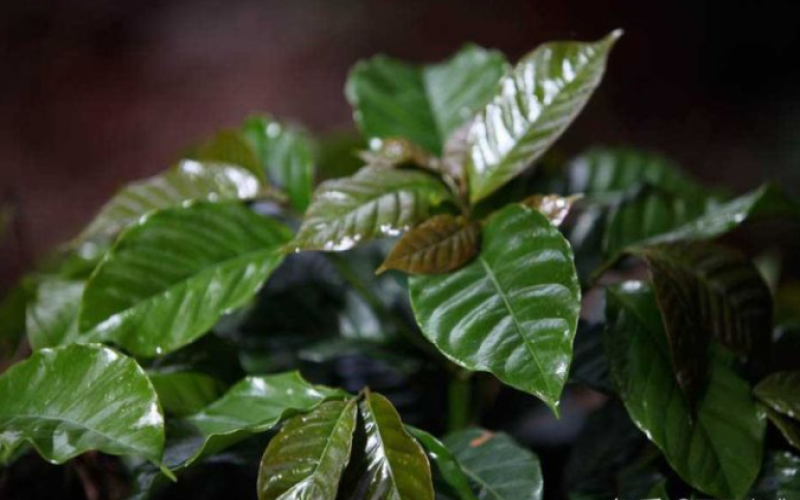
Roast Level Determines How to Choose Single-Origin, Pour-Over, and Blends
From light roast to dark roast, coffee beans change not only in color, but also in aroma, sweetness, acidity and mouthfeel weight. Single-origin emphasizes the personality of a certain origin or batch, while a blend combines the characteristics of different beans; pour-over is an extraction method, and is not the same as a fixed type of bean. Keep these concepts separate, and then, from [more…]
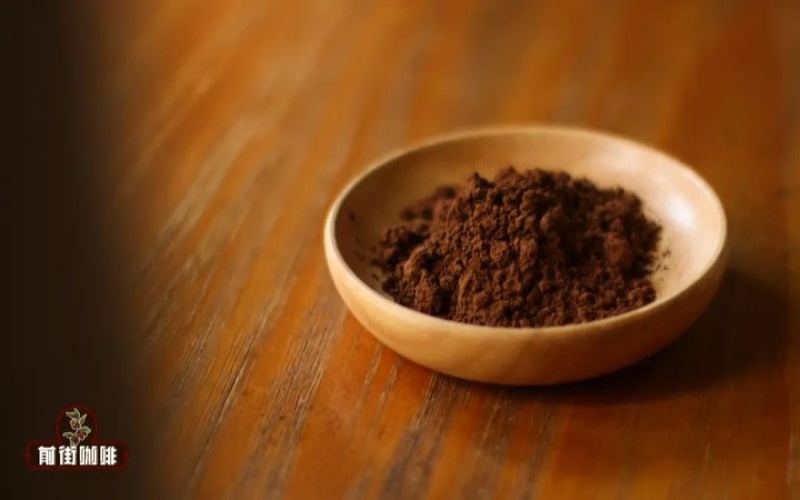
High-value espresso blend beans: how to decide roast level
The roast level of an espresso blend often tells you more about a coffee's character than the flavor notes on the packaging. Light roasts lean bright, medium roasts show more sweetness, medium-dark roasts balance aroma with body, and dark roasts tend toward cocoa, caramel, and a toasted feel. When your budget is limited, choosing a roast direction based on the drinks you usually make beats blindly chasing [more…]
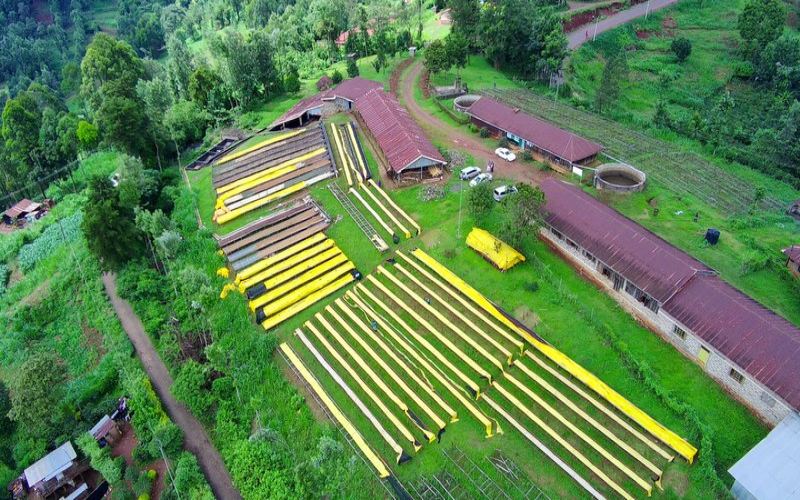
Dark Roast Coffee Beans: Balancing Budget and Drinking Frequency
Dark roast coffee beans reveal different facets depending on the brewing method. When buying beans for daily use, you need to consider how quickly you'll go through them, how much to buy at a time, and whether your household mainly drinks black coffee or milk coffee. Pour-over easily brings out the aroma, a coffee machine emphasizes intensity, and a moka pot amplifies the rich, full-bodied feel, so when choosing beans you should first decide which method you use most often. [more…]
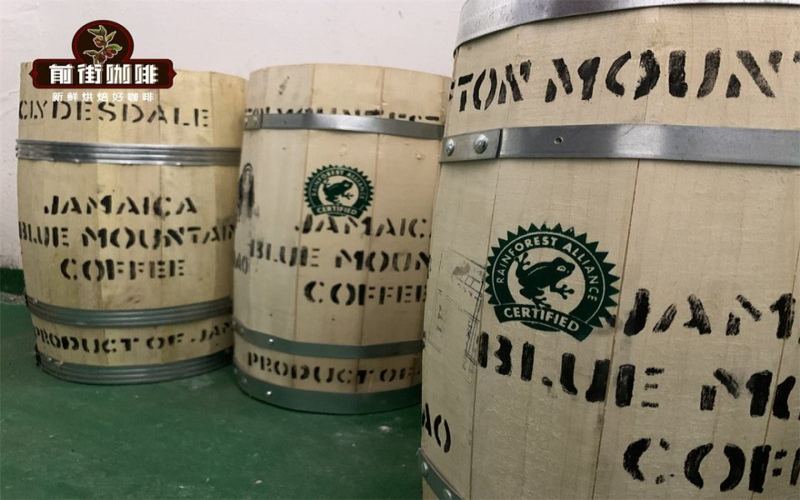
Which tastes better, a blend or an SOE? Choose by roast level to better suit your taste.
Whether coffee tastes good often depends on how well the roast level and the brewing method complement each other. Blends combine beans from different origins or lots, while SOE usually refers to espresso made from a single origin or single lot. There is no fixed answer for the two—light roasts highlight aroma, medium roasts highlight sweetness, and dark roasts highlight body. According to your [more…]
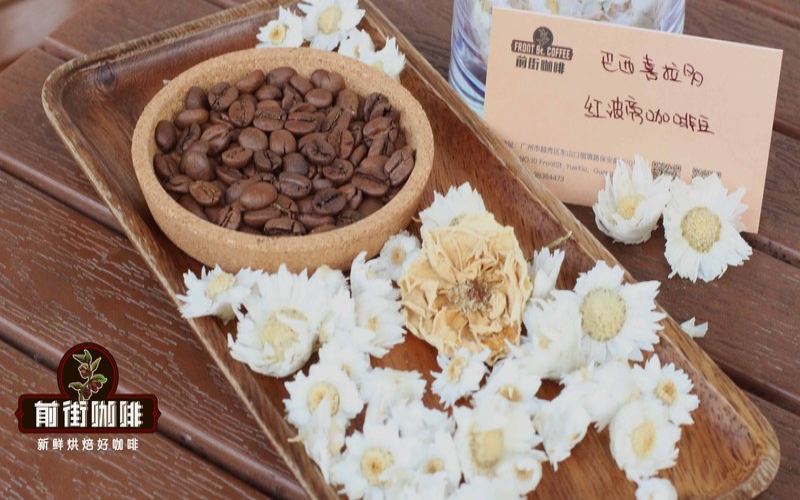
Choosing Espresso Blend Beans by Roast Level: From Bright Acidity to Full-Bodied Richness
When making espresso, the roast level of a blend directly affects the flavor, texture, and suitable drinking occasions of the shot. Light roasts more easily preserve bright acidity and fruity notes, medium roasts bring sweetness, aroma, and body to a more balanced position, while medium-dark and dark roasts lean closer to nutty, cocoa, and roasted tones. For those just getting into espresso, [more…]

How to Choose Espresso Blend Beans for Home: A Flavor Guide from Light to Dark Roast
When choosing a blend for a home espresso machine, start by checking the roast level on the packaging. It broadly determines the brightness on the palate, the type of sweetness, and the body of the coffee, and it also affects how the espresso performs once water or milk is added. Whether you prefer a crisp fruity profile or favor nutty, cocoa notes with a dense, creamy body, you can usually tell from the light, medium, and dark roast [more…]
Choosing High-Value Espresso Blends by Roast Level
The value of an espresso blend lies not only in whether the price is friendly, but also in whether it can consistently produce a cup of coffee that meets everyday expectations. The roast level affects acidity, sweetness, body, and extraction rhythm, and also determines whether the beans are better suited to black coffee or milk coffee. Before buying, getting a clear picture of the roast direction is usually more important than fixating only on the origin. [more…]
Understand roast levels—buy blended beans this way
The roast level of an espresso blend directly affects the aroma, sweetness, body, and finish of the shot. For those just starting to make coffee at home, rather than facing a long list of origins and processing methods, it's better to first look at the roast direction on the packaging: whether the beans are on the lighter side, medium, or darker in color. This judgment can help you anticipate the flavor on the palate. [more…]
A Flavor Map of Dark Roasts and Richness: A Bold Bean Lineup Starting from Mandheling
Lovers of rich, full-bodied crema will eventually find their way into the world of dark-roasted beans. There, there is none of the fresh, fruity acidity—instead, there is an intense landscape woven from dark chocolate, caramel, herbs, and smoke. This flavor map starts from Mandheling and marks out, one by one, the classic coordinates of the dark-roast world. The starting station is Mandheling itself. Sumatra's wet-hulling process [more…]

The Evolution Path of Commercial Base Beans: How to Upgrade Step by Step from Chain-Style to Specialty Blends
Those who have opened a shop and look back at their base beans will find a clear evolutionary line. Most people start with chain-style dark-roast blends, and after a year or two, the beans on the bar gradually shift toward medium roasts and specialty blends. This isn't fickleness of taste—it's that as a shop grows to different stages, the questions the base beans need to answer also [more…]
For home espresso blends, start by checking the roast level.
For a home espresso machine, the right blend doesn't have to chase complex aromas—what matters most is whether the roast level suits the way you drink it. If you drink straight espresso every day, look for clarity of aroma and sweetness; if you often make lattes or Americanos, check whether the shot has enough body. Start with the roast level, then read the flavor description. [more…]
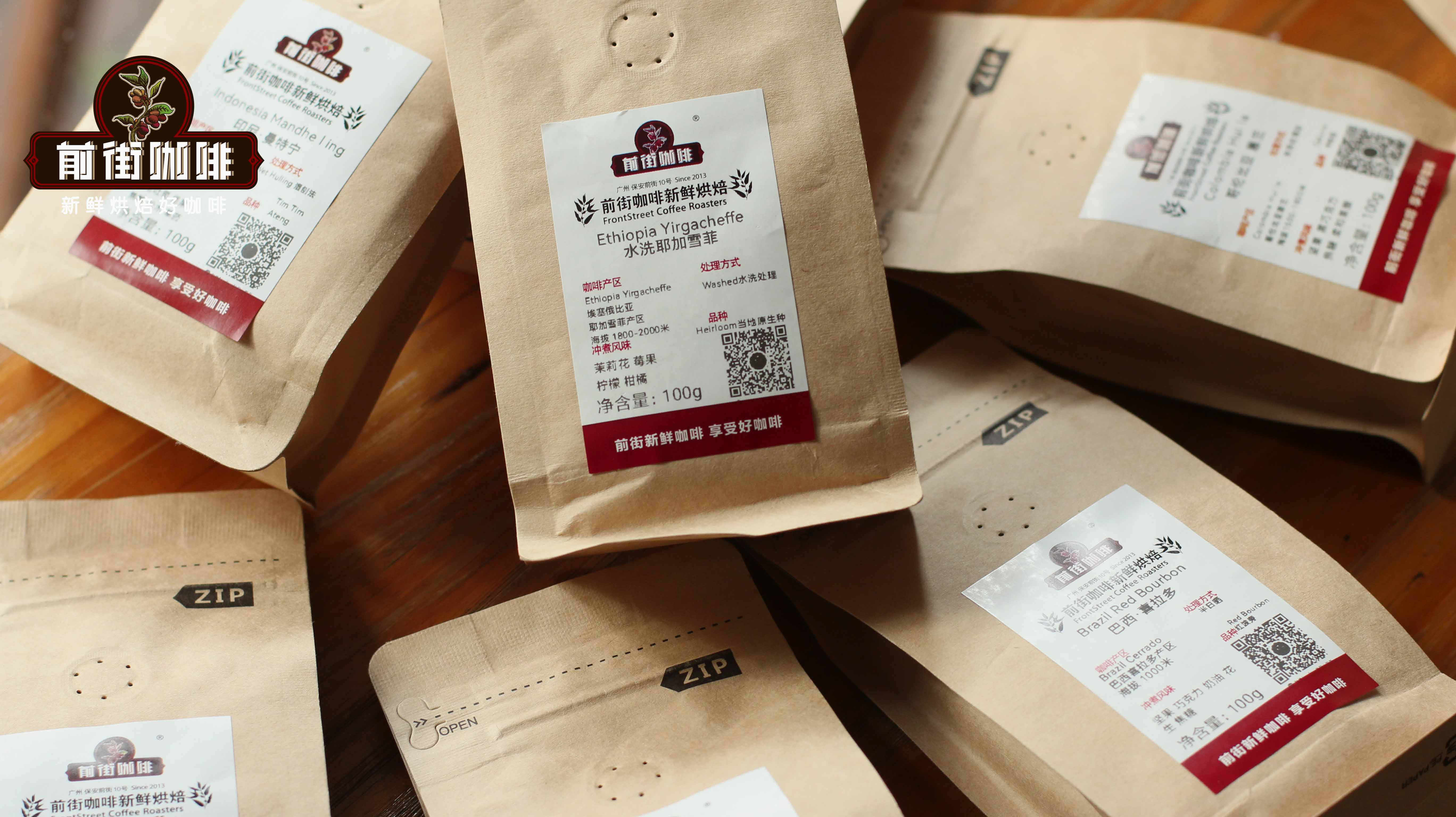
Mamba Blend | What's the difference between dark-roast Brazilian beans and dark-roast Mandheling coffee? Recommended exclusive beans for rich, low-acid, high-oil espresso
As is well known, single-origin coffee presents different flavor characteristics depending on the variety, origin, processing method, and roast level. Compared with complex flavor descriptions, more people focus on the acidity and bitterness of coffee, and when it comes to espresso, most people tend to prefer the non-acidic or low-acid type, so they want to know which espresso coffees [more…]
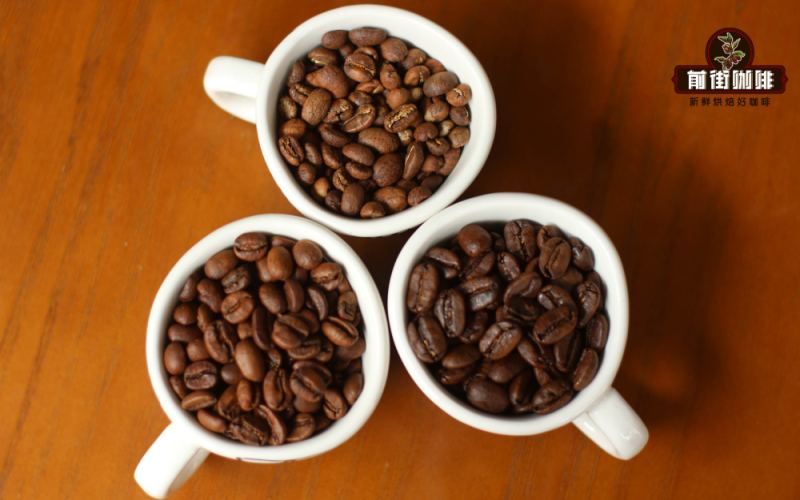
Espresso Blend Coffee Bean Roast Level | Are Espresso Beans Suitable for Pour-Over Coffee? Espresso Blend Philosophy and Roast Curve Reference
For more specialty coffee knowledge, please follow: Front Street Coffee (Frontsteet Coffee). The roast level of coffee largely determines the flavor direction of the coffee. When we buy coffee, the label will indicate what roast level it is, such as light roast or dark roast—these are fine. [more…]
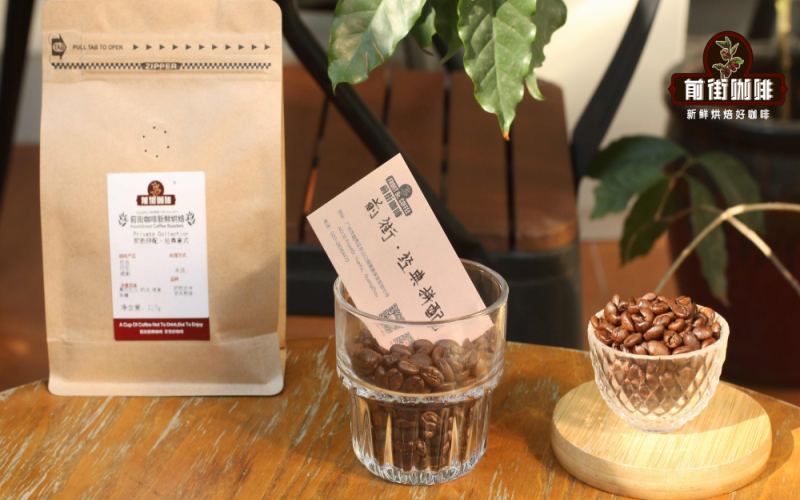
Medium-Dark Roast Espresso Beans Recommendations | How to Choose Beans for Making Espresso and Americano at Home? Great-Tasting, Affordable Americano Blend Coffee Bean Recommendations
For home espresso making, determining the freshness and flavor preferences of blended coffee beans is most crucial. Espresso blends are also called mixed coffee; simply put, they are coffees made by a barista professionally blending different coffee beans together to achieve a specific flavor. The more traditional blending goals are nothing more than achieving a flavor better than [more…]
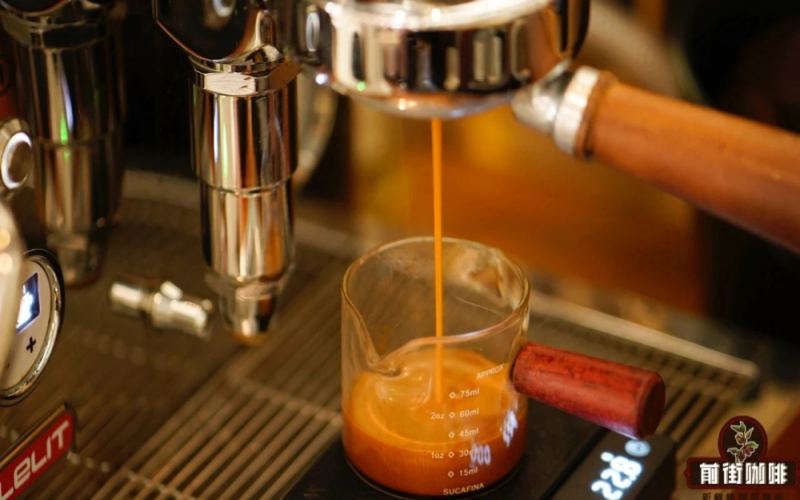
Recommended Coffee Beans for Espresso Extraction | Are Espresso Beans Always Dark Roasted? How Do Blended Beans Taste in Espresso?
Espresso is simply a method of coffee extraction, made using an espresso machine, where hot water under high pressure is forced through the coffee to quickly extract a concentrated shot. Espresso is also called Espresso, or simply Espresso. Many people's first impression is that espresso is strong and bitter, but actually, Front Street tells every [more…]
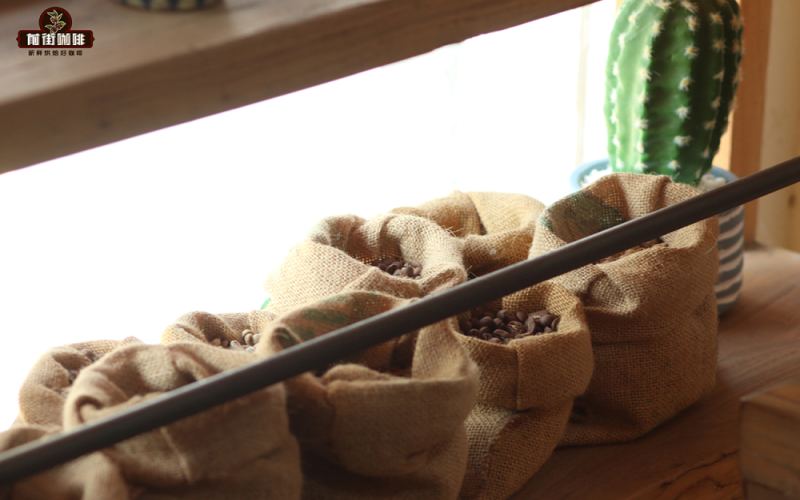
Coffee Bean Resting | What Is a Coffee Blend? What Are the Recipes for Espresso Blend Coffee Beans? How Long Should Espresso Coffee Beans Be Rested?
Recently, a regular customer who often comes to Front Street to buy Front Street Espresso Blend coffee beans has been visiting, while new customers to Front Street look quite puzzled, not understanding why the Front Street Coffee (FrontStreet Coffee) barista would mix several kinds of beans together to sell. In fact, this is blended coffee beans, also called a blend. [more…]